
Bates Boot Reviews from the Field
“These boots saved my feet during a 14-hour shift on wet concrete. The steel toe doesn’t pinch like my last pair, and after six months of daily wear, they still look professional enough for inspections.”

Marcus T.
Best-Selling Bates Tactical and Work Boots
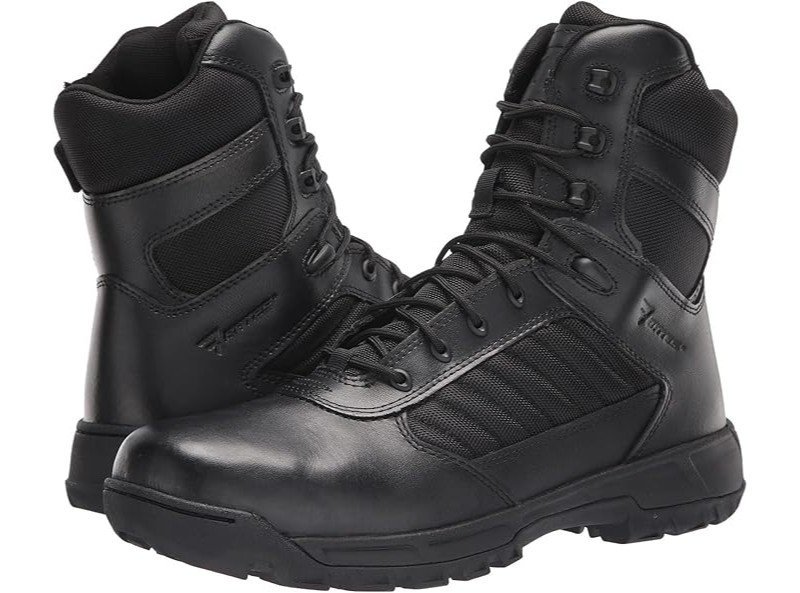
Tactical Sport 2 Tall Zip Military and Tactical Boot
TacTRAX rubber outsole delivers exceptional grip and flexibility through built-in Flex Channels, surpassing industry benchmarks for slip and oil resistance.
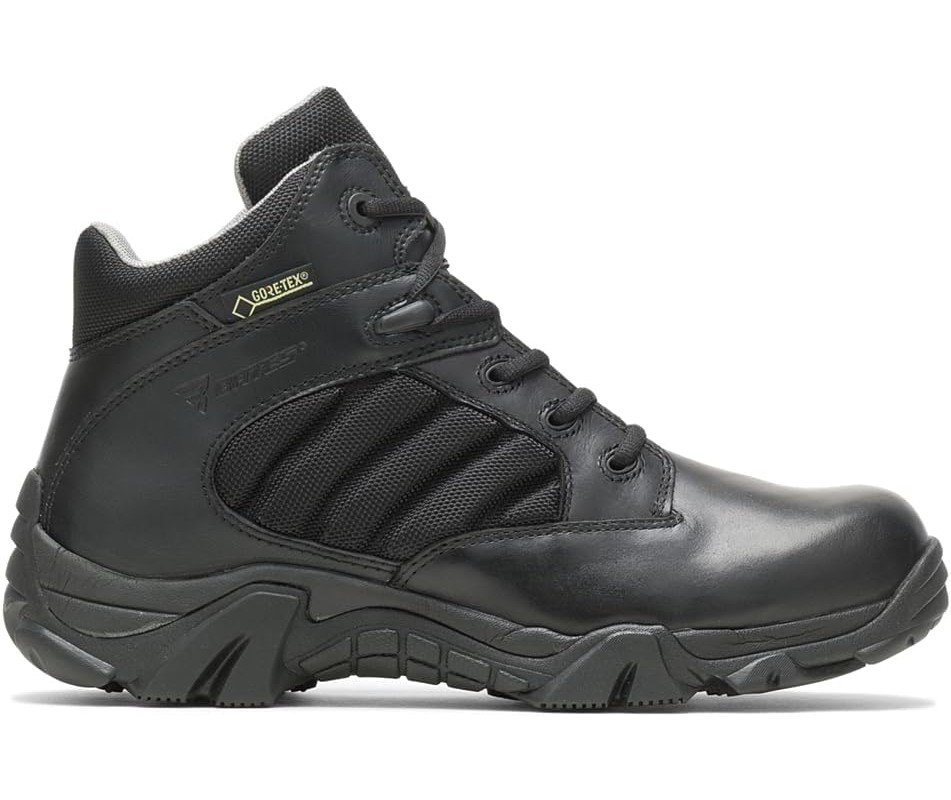
GX-4 Ultra-Lites GTX Waterproof Boot
Full-grain leather and performance nylon construction with protective overlays. Gore-Tex waterproof membrane keeps feet dry through wet conditions.
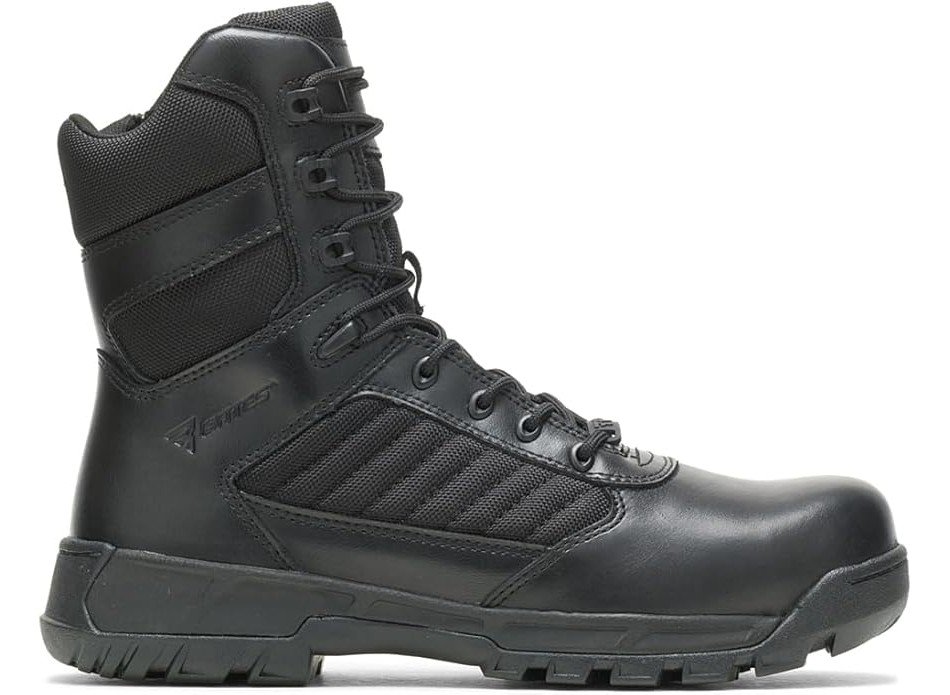
Sport 2 Military and Tactical Boot
Outsole engineered beyond industry slip and oil resistance standards for reliable traction. 11mm heel-to-toe drop improves ground connection and natural stride.
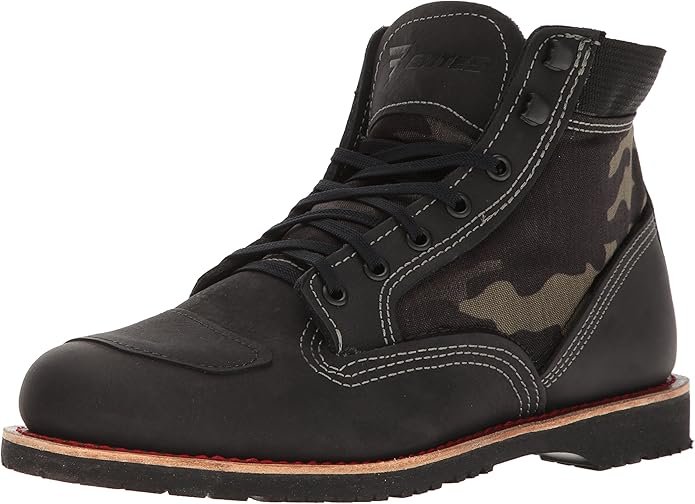
Men’s Freedom Work Boot
Water-resistant leather and nylon upper withstands job site conditions. Dri-Lex lining manages moisture during long shifts.
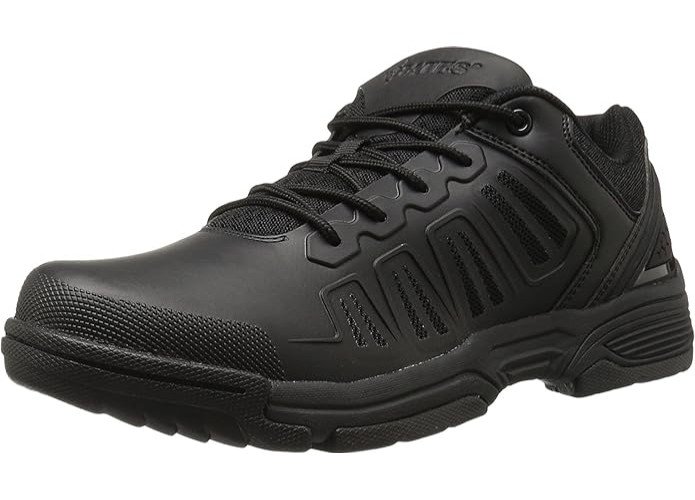
Men’s Srt Low Work Boot
Molded DuraFLEX upper resists wear and cleans easily after dirty jobs. Breathable mesh panels and tongue prevent overheating.
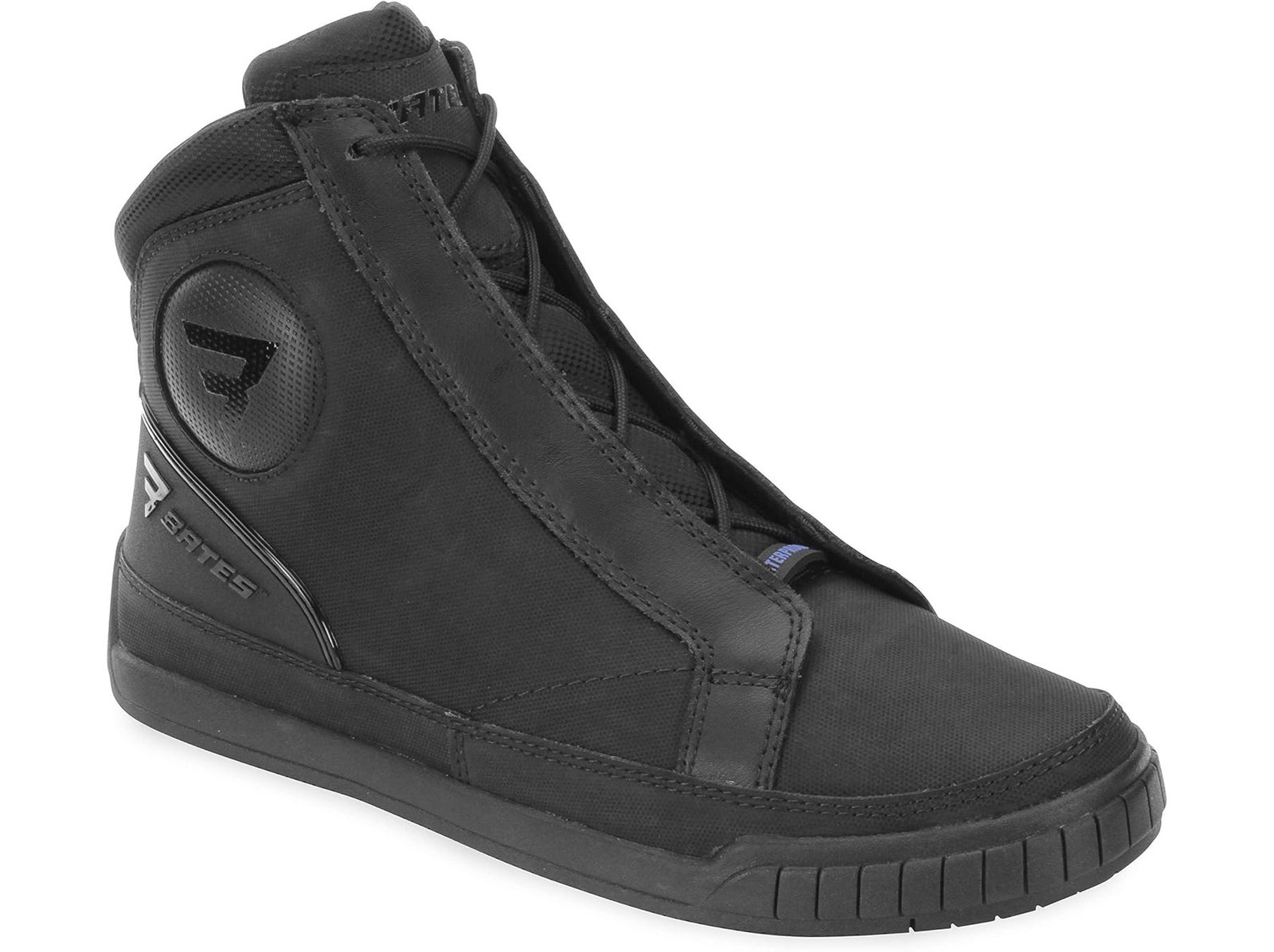
Performance Men’s Motorcycle Boots
Waterproof membrane keeps feet dry through rain and wet roads. Poron XRD side impact foam protects ankles from lateral impacts.
Shop Bates Boots by Type
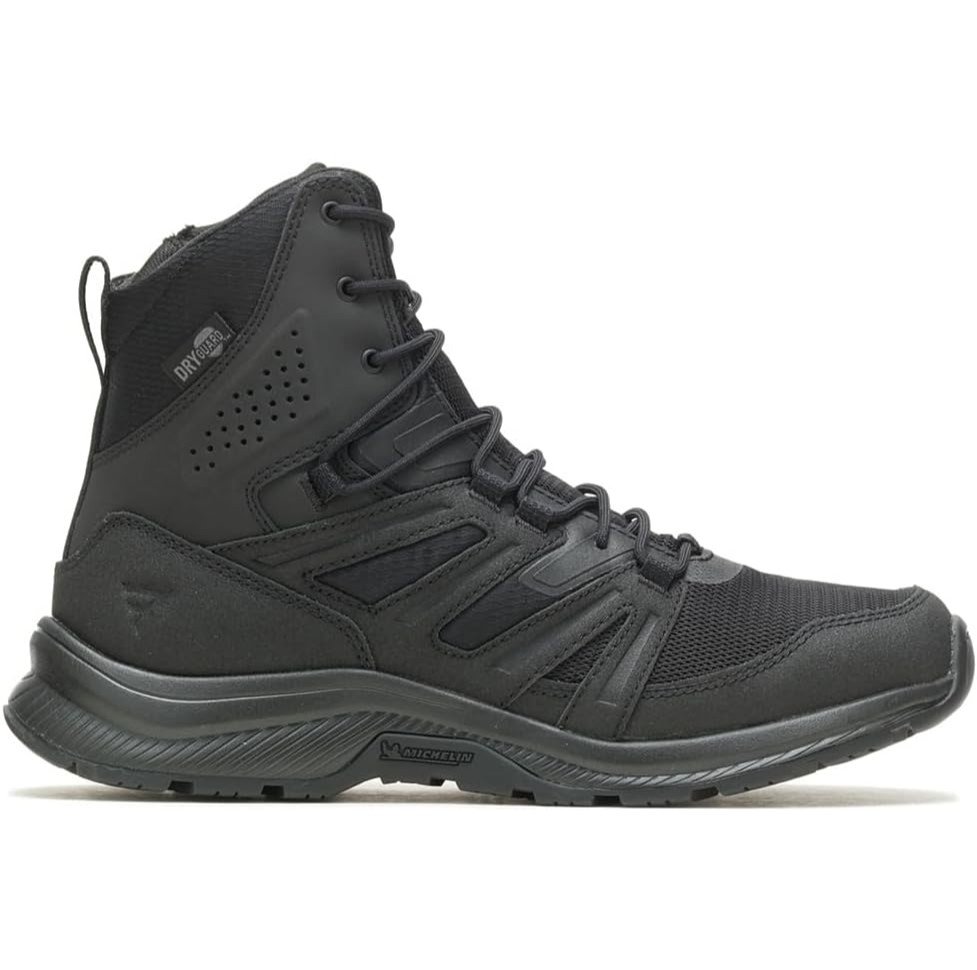
Tactical
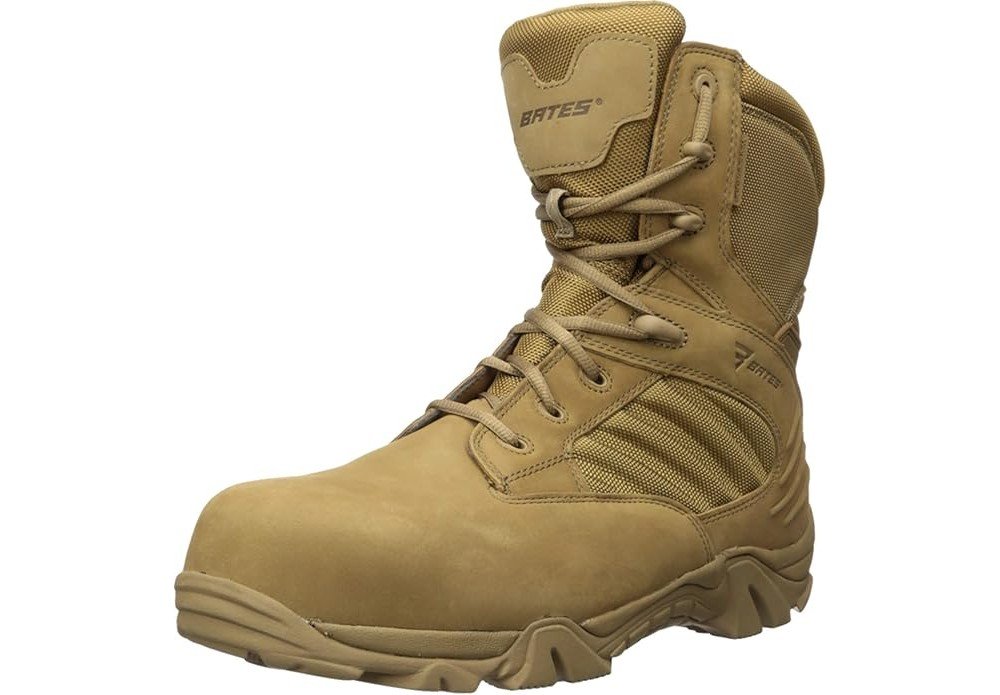
Military
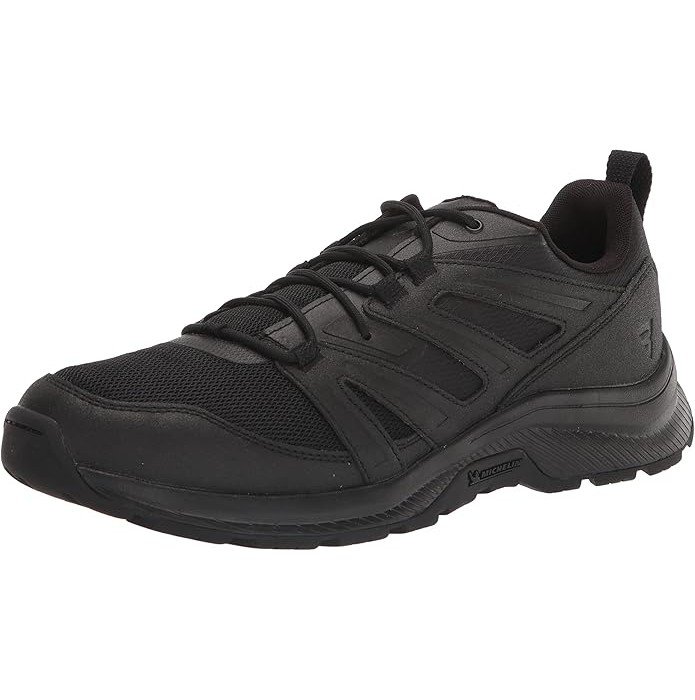
Athletic
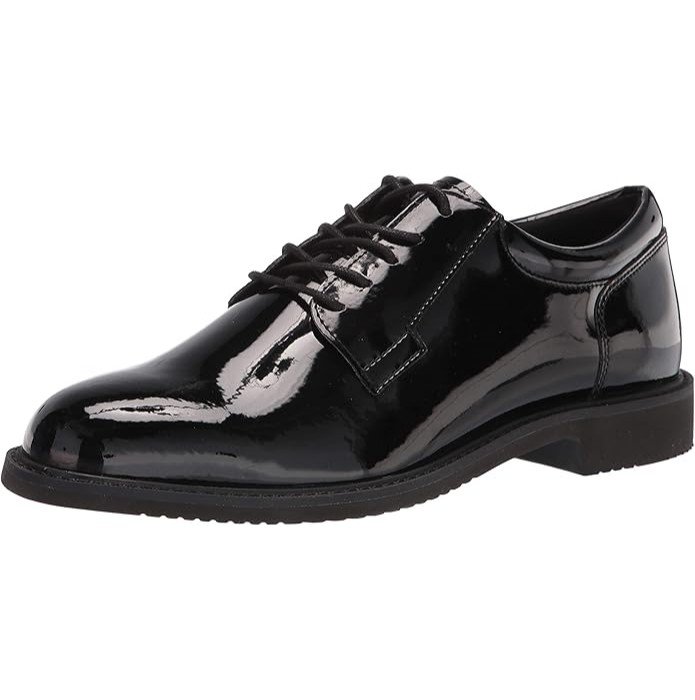
Oxfords
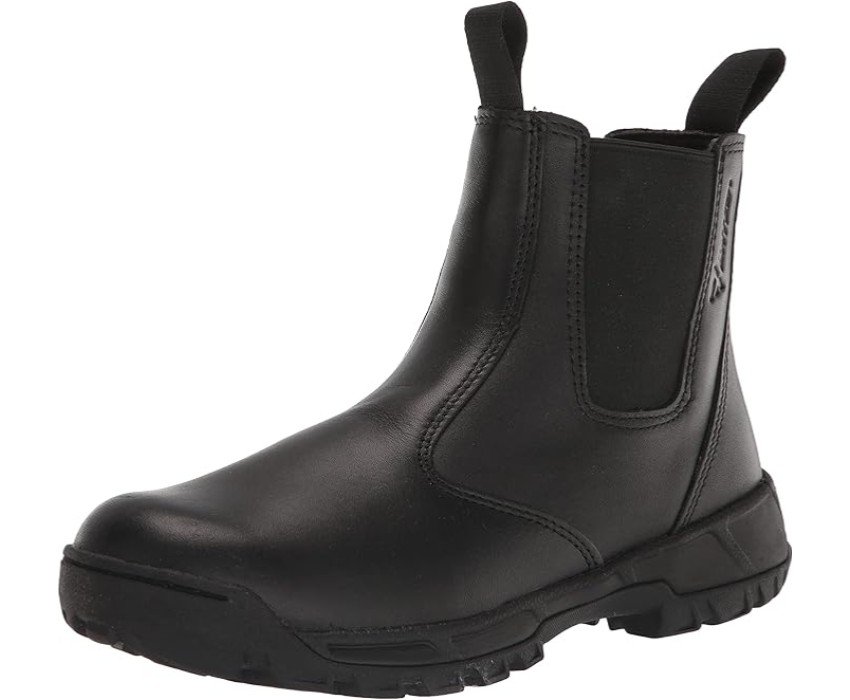
Tactical Sport 2
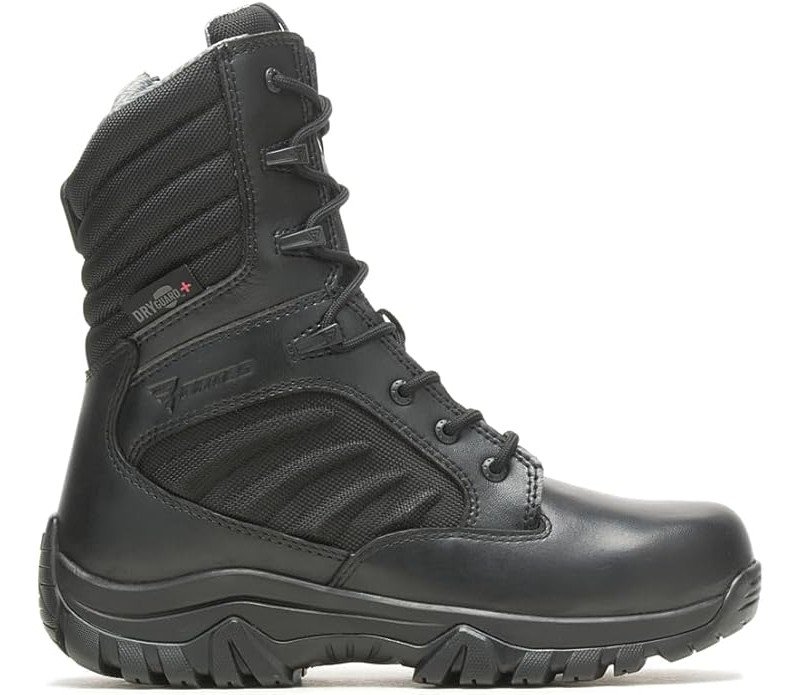
GX X2
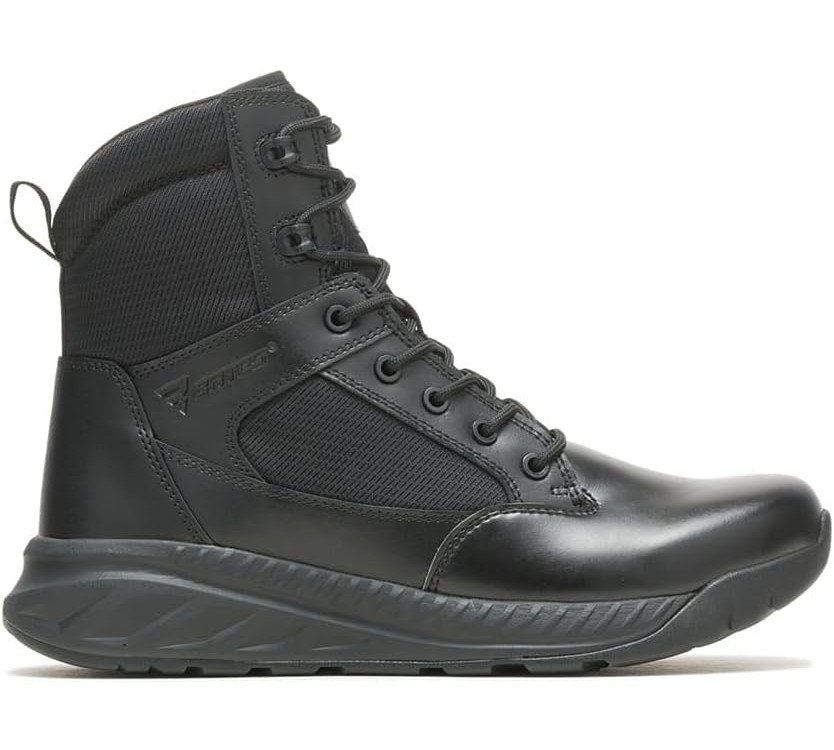
OpSpeed
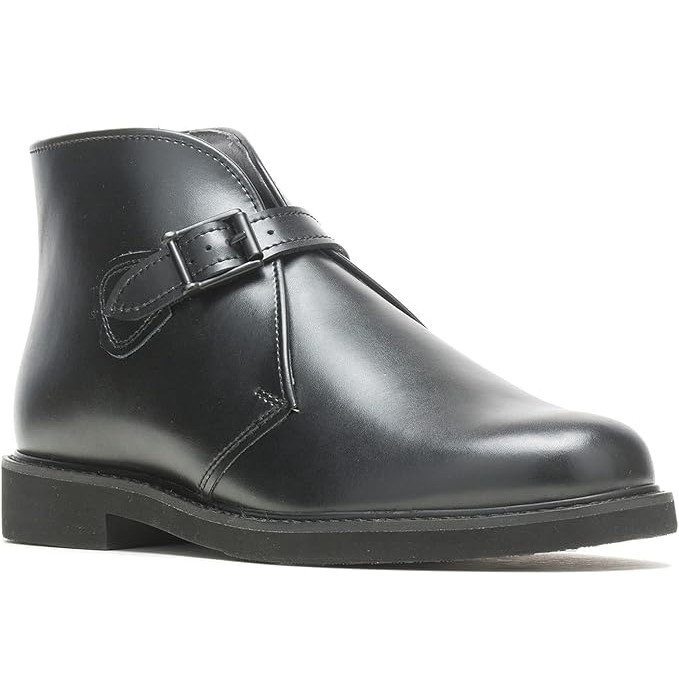
Sentinel
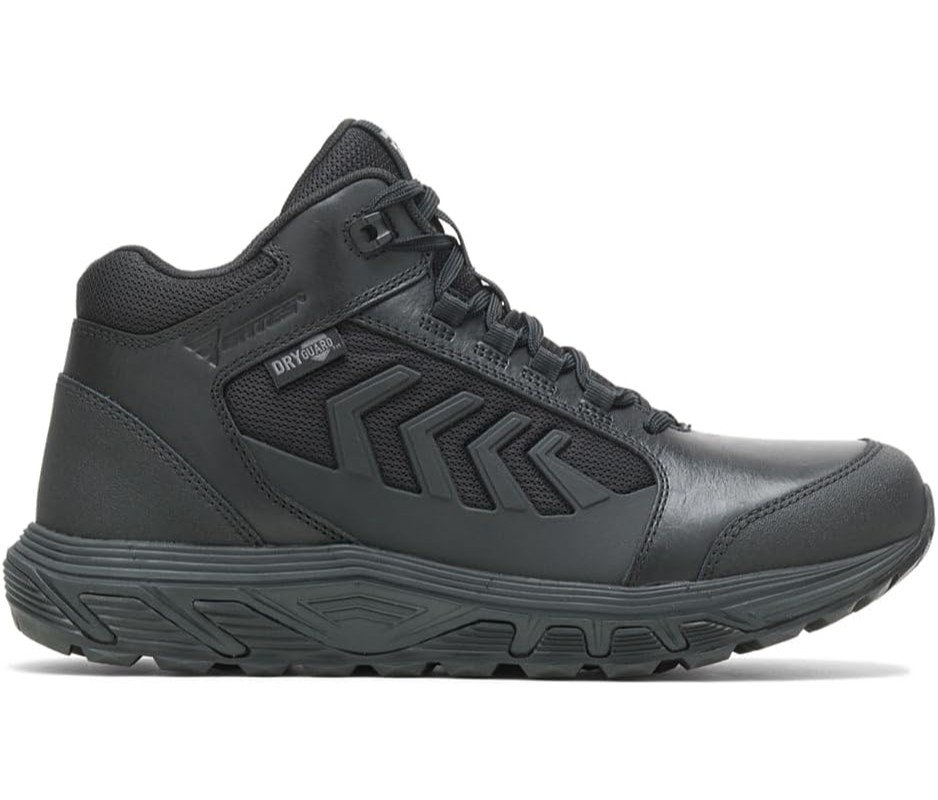
Rush Shield
139 Years of Bates Boots Built for Real Work
Bates started in 1885 when Andrew Jackson Bates opened a Massachusetts workshop focused on boots tough enough for real work. During World War II the company produced over a million pairs for U.S. troops, and President Eisenhower wore them. Military personnel, police officers, and first responders have relied on Bates tactical and military boots ever since.
Two technologies set the line apart. DuraShocks provides lightweight energy return that eases the strain of long shifts, while the Individual Comfort System lets support be adjusted to how each foot moves under pressure. Both came out of decades of feedback from people whose safety depends on their footwear.
Today Bates remains one of the largest footwear suppliers to the U.S. Department of Defense, and its work boots, waterproof boots, and tactical boots serve workers across many industries. They’re sold through military suppliers, work outfitters, and retailers like Amazon. The goal has stayed the same: boots that perform as well at hour twelve as at hour one and improve with wear.
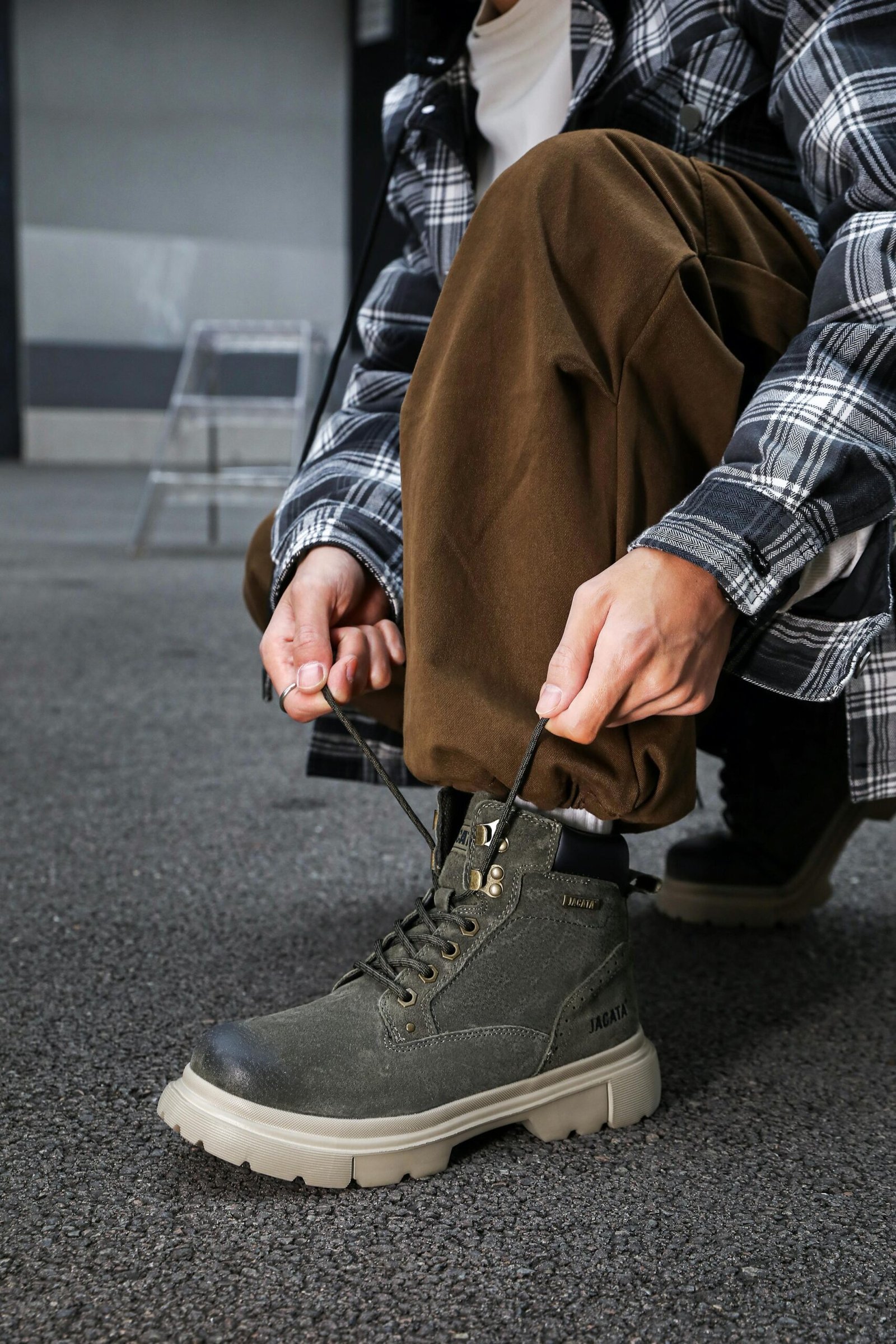
Bates Boot Fit, Care and Durability FAQs
This section covers the most common questions customers ask about sizing, care, and product details.
A proper fit allows about a thumb’s width of space between the longest toe and the front of the boot. The heel should stay in place when walking, and there shouldn’t be any pinching or pressure points. Feet naturally swell throughout the day, so trying on footwear in the afternoon gives the most accurate fit.
Waterproof treatments can help repel moisture and stains, but they may affect leather breathability. For those in wet climates or working outdoors frequently, treatments provide valuable protection. Others may prefer allowing leather to develop natural water resistance through regular conditioning and wear.
Conditioning frequency depends on usage and climate conditions. For regular wear in normal conditions, conditioning every 3-4 months maintains leather health. Those in harsh environments or who wear their boots daily may need to condition monthly. Over-conditioning can make leather too soft, so moderation is key.
High-quality construction methods like Goodyear welting allow for multiple resoles throughout the boot’s lifetime. A single resole can add 5-10 years of wear, making it a cost-effective way to maintain footwear. The upper leather typically outlasts several sole replacements when properly cared for.
Full-grain leather uses the complete top layer of the hide, retaining natural grain patterns and characteristics. This makes it more durable and develops a rich patina over time. Corrected leather has been sanded and treated to remove imperfections, resulting in a more uniform appearance but less durability.
Most quality leather footwear requires 1-2 weeks of regular wear to fully conform to the foot. During this time, the leather softens and molds to individual foot shape. Wearing thick socks and gradually increasing wear time each day helps make the process more comfortable.